In the ever-evolving landscape of AI, GPT-4o, OpenAI's latest multimodal marvel, has stirred both awe and outrage. Unveiled in May 2024, this powerhouse model seamlessly generates text, images, and even audio—a creative revolution at our fingertips. But when it rolled out image generation on March 25, 2025, one feature stole the spotlight (and sparked heated debates): the Studio Ghibli filter.
This tool, capable of producing breathtaking visuals inspired by "Spirited Away" and "My Neighbor Totoro," went viral—only to be met with backlash from artists, legal experts, and Ghibli fans alike. Why? Because legendary filmmaker Hayao Miyazaki has long condemned AI in animation, famously calling it an "insult to life itself."
So, is this just another AI breakthrough, or has GPT-4o crossed the line into artistic theft? Let's dive into the technology, the advantages, the controversies, and what it all means for the future of AI-driven creativity.
Inside GPT-4o's Image Generation: How It Works
GPT-4o's image creation isn't just an add-on—it's a game changer. Unlike earlier models like DALL-E 3, which relied on diffusion transformers, GPT-4o integrates image generation directly into its multimodal framework. This unified approach allows it to process complex text prompts and render detailed, highly contextual visuals in seconds.
Key Strengths: Why GPT-4o is a Creative Powerhouse
✅ Effortless Artistry – No design skills? No problem. A simple text prompt like "A cyberpunk city under neon rain" can generate stunning results.
✅ Interactive Editing – Users can tweak images in real-time. Want more stars in the night sky? Just ask.
✅ Versatile Styles – From hyper-realistic landscapes to dreamy anime aesthetics, GPT-4o adapts seamlessly.
✅ Fast and Accessible – No complex software, no manual drawing—just instant creativity at your fingertips.
But where there's innovation, there's also controversy. And that's where the Studio Ghibli filter enters the scene.
The Studio Ghibli Filter: A Nostalgic Dream or an Ethical Nightmare?
At first glance, the ability to "Ghiblify" any image seems magical. Users flocked to social media, sharing AI-generated scenes that looked straight out of a Miyazaki classic. But not everyone was impressed.
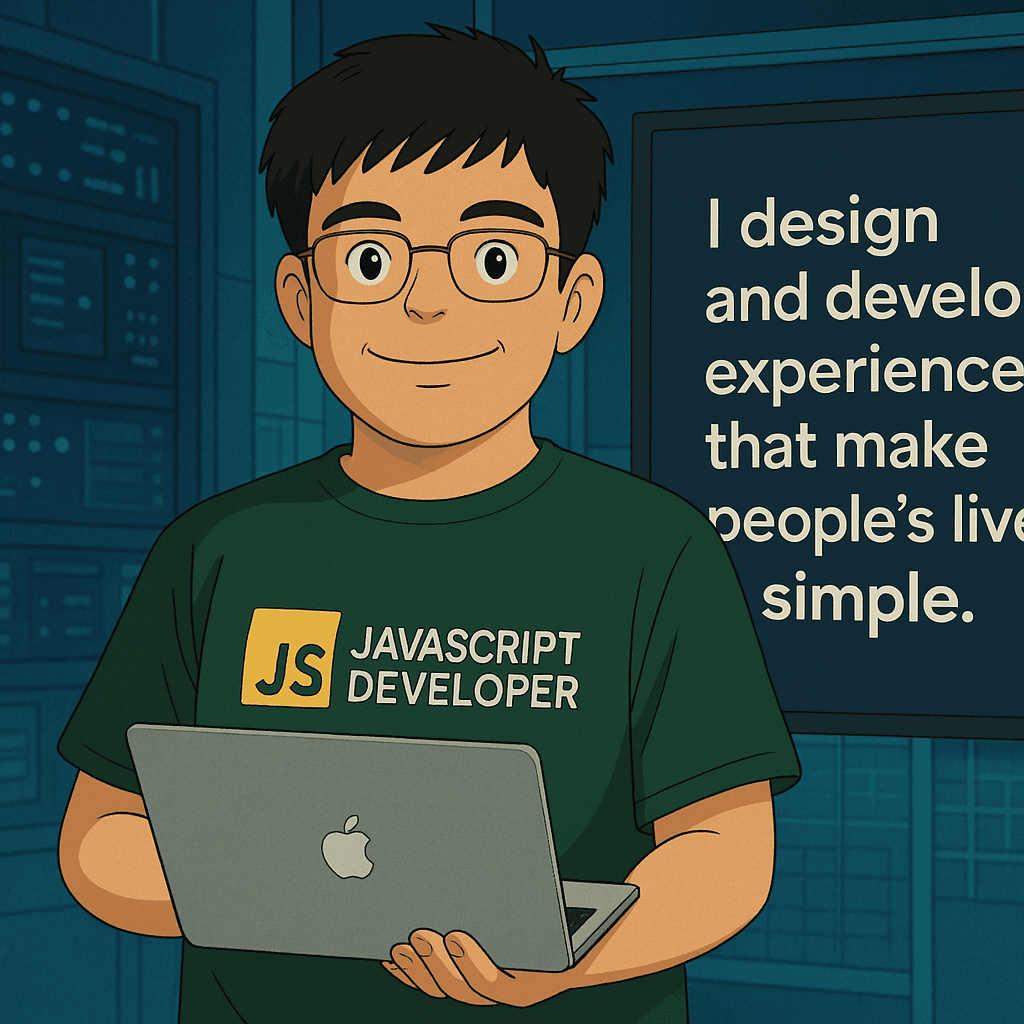
Some of my generations:
Why Artists (and Fans) Are Outraged
🎨 Miyazaki's Opposition – The legendary filmmaker has openly despised AI in animation since 2016, seeing it as soulless and inhuman.
⚖️ Copyright Concerns – If GPT-4o was trained on Ghibli artwork without permission, is it legal—or outright theft?
🖌️ Artistic Exploitation – Many believe AI-generated Ghibli-style art devalues human creativity, as artists receive no recognition or compensation.
Even more troubling, the filter took a political turn. When the White House posted a Ghibli-style image of a migrant arrest, it ignited global backlash. Many saw it as tone-deaf and exploitative, raising concerns about AI's ability to repurpose art in ways that its original creators would never approve.
The Future of AI Art: Where Do We Go From Here?
GPT-4o's image generation is undoubtedly a technological leap, but it also serves as a wake-up call. As AI blurs the lines between creativity and controversy, one question looms large:
🔹 Should AI be allowed to mimic iconic artistic styles without consent?
For now, OpenAI remains tight-lipped about whether its model was trained on copyrighted material. Legal battles loom on the horizon, with artists like Karla Ortiz calling for greater transparency and protection.
One thing is clear: AI isn't going away. But if it's to coexist with human artistry, companies must navigate these ethical minefields with respect, responsibility, and a deep appreciation for the creative minds that came before.
So, is GPT-4o's Studio Ghibli filter an exciting tribute or an artistic trespass? That's for you to decide.